Mango and Transparency International UK have led the development of new Anti-bribery Principles and Guidance for NGOs
These new Anti-bribery Principles and Guidance for NGOs will enable NGO staff to take the practical steps needed to follow a zero-tolerance approach to bribery.
Mango and TI-UK co-chaired a working-group of NGOs that developed the principles which call on all NGOs to work together and take collective action to combat bribery.
CFDG sat on this group along with several representatives from international NGOs.
Bribery and corruption are some of the biggest obstacles to reducing poverty and improving good governance.
UK NGOs have therefore campaigned for and welcomed the new UK Bribery Act 2010, which comes into force today.
As well as seeking to combat bribery in the countries where they work, NGOs have to prevent bribery in their own operations.
The reputational impact for an NGO that is linked to a bribery prosecution, or even just an investigation, could be very damaging.
It may deter potential donors and may jeopardise the NGO’s ability to influence policy makers in the UK and overseas.
In addition, public concern about the impact of bribery and corruption is a critical issue in building broad public support for aid and development.
Mango’s director, Tim Boyes-Watson is running workshops for NGOs in Nairobi and London in coming weeks to encourage many NGOs to use and adapt these Principles and Guidance to their own needs.
Caron Bradshaw, CEO of CFDG said: “The real practical value of this guidance can be found in the fact that it is written for the sector, by the sector, with relevant expertise and knowledge being called on at all stages.
"We are delighted to have been part of this process and are pleased that NGOs now have a solid starting point for understanding both the context (legal or otherwise) and process involved in looking at preventing bribery. I know that our members will find this an essential read.”
Vanessa Mayham who is the regional finance and systems manager based in Kenya for Oxfam GB said: “Many NGO’s already take bribery and corruption seriously and have policies and procedures in place to prevent, mitigate and investigate cases.
"For such organisations, the new Bribery Act will strengthen their position as it moves the rationale for action from a moral and efficiency perspective to a legal one. Potential benefits include: Greater investment in the prevention of corruption; Heightened awareness of the issues due to the new legal implications; and improved compliance since expectations from donors will increase.”


Latest News
-
Regulator considering MP’s claim 32 charities ‘funnelled' £28m to illegal Israeli settlements
-
Code breaches found following investigation into ‘extremely aggressive’ fundraiser
-
Melissa Moody: Why charity media teams need to understand sector press better
-
Nine in ten charities using AI but few exploring its ‘true potential’, warns research
-
Evaluation reveals benefits of adding a virtual candle to online fundraising
-
Former Scope CEO to chair business group set up to tackle disability exclusion





Charity Times video Q&A: In conversation with Hilda Hayo, CEO of Dementia UK
Charity Times editor, Lauren Weymouth, is joined by Dementia UK CEO, Hilda Hayo to discuss why the charity receives such high workplace satisfaction results, what a positive working culture looks like and the importance of lived experience among staff. The pair talk about challenges facing the charity, the impact felt by the pandemic and how it's striving to overcome obstacles and continue to be a highly impactful organisation for anybody affected by dementia.
Charity Times Awards 2023
Mitigating risk and reducing claims
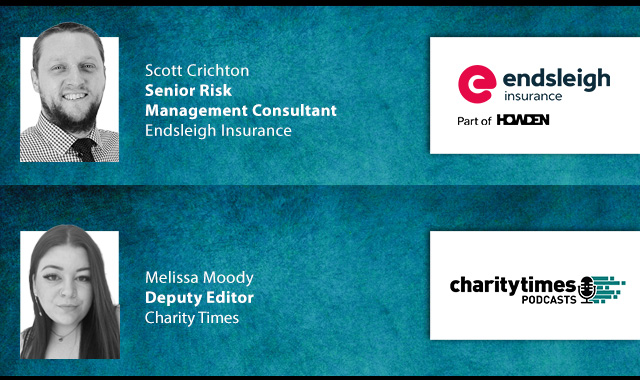
The cost-of-living crisis is impacting charities in a number of ways, including the risks they take. Endsleigh Insurance’s* senior risk management consultant Scott Crichton joins Charity Times to discuss the ramifications of prioritising certain types of risk over others, the financial implications risk can have if not managed properly, and tips for charities to help manage those risks.
* Coming soon… Howden, the new name for Endsleigh.
* Coming soon… Howden, the new name for Endsleigh.
Better Society





© 2021 Perspective Publishing Privacy & Cookies
Recent Stories